JUNE 24, 2020, 7:00AM PT/10:00AM ET/4:00PM CET/10:00PM CST

Elisa Viering
Agilent Technologies, Germany
Elisa joined Agilent 2016 and works as Product Manager for the ScreenTape devices. Prior to Agilent she worked as a Laboratory Engineer with the German
Cancer Research Centre (DKFZ), Heidelberg where she worked in the High Throughput Sequencing Core Facility. There she contributed to quality control of incoming samples (DNA and RNA), whole genome sequencing (TruSeq Nano) and
increase throughput with implementation of liquid handling systems. Her education includes a Postgraduate Studies in Molecular Biotechnology from Goethe University Frankfurt, Graduated Master of Science (M.Sc.). The Master
Thesis focused on development of methods to identify genetic variation in large populations of DNA samples using next generation sequencing platforms and was obtained from Population Genetics, Cambridge.

Monique Albert
Ontario Biobank, Canada
Monique Albert is the Director of the Ontario Tumour
Bank at the Ontario Institute for Cancer Research in Toronto, Canada. She has two decades of professional experience in the biobanking, health research and pharmaceutical sectors. A believer in the importance of biobanking
to the research https://www.isber.org/admin/content/CustomPageEdit.aspx?id=881041#Html community, she serves on the ISBER Board as the Secretary, and volunteers in a number of additional roles. Further, she is a voting member
on the Standards Council of Canada ISO TC276 Biotechnology mirror committee, which has special provisions for biobanks. Ms. Albert has held a number of leadership and research roles at OICR, MaRS, the STTARR Innovation Centre
at the Princess Margaret Cancer Centre and the Microarray Centre and in the corporate sector at Cangene Corporation and Affinium Pharmaceuticals. Her academic background combines a Master of Science in Biological Sciences with
a Project Management Professional designation and certification.
JULY 8, 9:00AM PT/12:00PM ET/6:00PM CET/12:00AM NEXT DAY CST

Aaron J. Goldenberg
Case Western University, USA
Dr. Aaron Goldenberg is Vice-Chair
and Associate Professor in the Department of Bioethics at Case Western Reserve University School of Medicine. He is also the Research Director for the Department and Co-Director of the Case Western Center for Genetic Research
Ethics and Law. Dr. Goldenberg’s work has focused on the ethical, legal, and social implications of genetics and genomics in clinical and public health settings. His research program has been grounded by a number of major project
areas, including: 1) ethical implications of expanding newborn screening programs; 2) storage and use of biological specimens and data for future research; 3)diversity in genetic research, including the implications of gene-environment
interactions for racial/ethnic minorities and other communities experiencing health disparities.

Kyle Brothers
University of Louisville, USA
Dr. Kyle Brothers, MD, PhD is an Associate Professor of Pediatrics and the Endowed Chair for Pediatric Clinical and Translational Research at the University of Louisville, where he directs the Division of Pediatric Clinical
and Translational Research. Dr. Brothers is a pediatrician and bioethicist who conducts research on ethical issues in the translation of genomic technologies to clinical practice, and research ethics issues encountered in the
development and operation of biorepositories, data collections, and research networks. Dr. Brothers is a practicing primary care pediatrician and serves as a clinical ethics consultant at Norton Children’s Hospital in Louisville,
Kentucky.

Jean Cadigan
University of North Carolina, USA
Dr. Jean Cadigan is Associate Professor of Social
Medicine and a core faculty member in the Center for Bioethics at the University of North Carolina, Chapel Hill. She received her PhD in anthropology from the University of California, Los Angeles. She then completed postdoctoral
appointments in medical anthropology and human development. Her teaching and research interests focus broadly on clinical and research ethics. As an investigator in UNC’s Center for Genomics and Society, she studies the ethical,
legal, social, and policy implications of translating genomic research into clinical care. She has designed and conducted multimethod projects involving surveys and interviews with participants and investigators of genetic
research studies about issues such as return of individual research results, ownership of biospecimens, and biobanking. With Eric Juengst, she currently leads a study on ethical and governance challenges of human genome editing
research. She has also conducted studies on educating medical trainees in clinical ethics. Dr. Cadigan currently serves as the Research Director of the Clinical Ethics Service for UNC’s Hospital Ethics Committee. She also serves
on the Research Ethics Consultation Service through the North Carolina Translational and Clinical Sciences Institute (NC TraCS).
JULY 16, 10:00AM PT/1:00PM ET/7:00PM CET/1:00AM NEXT DAY CST

Ida Biunno
ISENET Biobanking, Italy
Ida Biunno holds a Bachelor Degree in Biology and Psychology from
Temple Pennsylvania, (PA, USA, 1980). She holds a Doctoral Degree in Molecular Biology from the University of Milan, Italy (1982). She joined the CNR in Milano in 1988 to work on the Human Genome Project under the coordination
of Prof. Renato Dulbecco (Nobel Laureate) and visiting scientist at Salk Institute (San Diego USA) in 1989-1990. Presently she is a senior associate researcher at CNR. From 2010 to 2017 she coordinated the Stem Cell Research
Unit of the Multimedica Hospital and Foundation. Ida is also a member of the Steering Committee for the European Huntington Disease Network (EHDN) (since 2005). Previously Ida worked as a Research Associate at the National
Cancer Institute of Milan (1982-1988), she was the Scientific Director in Biorep in Milan (2005-2010). Since 2008 she is an Adjunct Associate Professor of Biology at the Biotechnology Center of Temple University in Philadelphia
(PA, USA). She has been the Principal Investigator in EU (NeuroStemCells, NeuroSteemCellRepair and NeuroScreen, SilkFusion) financed projects and national projects (FIRB, PRIN and Regione Lombardia) all dealing with stem cells
derivation and Biobanking. She has published over 115 peer reviewed scientific papers and supervised over 25 University Medical Thesis. She is a lecturer in Biomedicine at the University of Milano - Bicocca and for Regione
Lombardia Advanced Medical Education School.
She was appointed in July 2018 as Chief Scientific Officer of ISENET BIOBANKING located in Milano-Italy.

Jerry Lee
University of Southern California, USA
Dr. Lee is an Associate
Professor of Clinical Medicine and Chemical Engineering & Material Sciences at USC and also serves as the Chief Scientific and Innovation Officer for the Ellison Institute for Transformative Medicine of USC. Prior to
joining USC, he served for more than a decade at the National Cancer Institute where he deployed programs to accelerate the creation of publicly available multi-dimensional datasets to empower the entire cancer research continuum.
His research involves elucidating the interplay between biophysical and biochemical drivers of age-related diseases. Dr. Lee earned his PhD in chemical and bimolecular engineering from JHU.

Lauren Leiman
BloodPAC, USA
Ms. Lauren C. Leiman is currently the Executive Director of the Blood Profiling
Atlas in Cancer (BloodPAC), a consortium focused on creating an open database for liquid biopsies to accelerate the development of safe and effective blood profiling diagnostic technologies for patient benefit. Prior to running
BloodPAC, she was the Senior Director of External Partnerships at White House Cancer Moonshot Task Force during the Obama Administration.

Meri Firpo
Memphis Meats, USA
Dr. Firpo is a member of the Steering Committee of the International
Stem Cell Banking initiative. The ISCBI is bringing together and developing a truly multinational community of specialists in stem cell banking but also other vital expertise e.g. non stem cell scientific expertise, suppliers,
regulators, policy-makers. This could address the fundamental principles on which it was established based on the concepts of inclusivity of many countries and diverse scientific applications including toxicology, disease studies
and food production) and governance. Dr. Firpo's work has ranged from distribution of banked pluripotent stem cells to therapeutic applications and manufacture of cell products.

Stephen Lin
California Institute for Regenerative Medicine, USA
Dr. Lin is a senior
science officer at California’s stem cell agency, CIRM. He oversaw creation of its repository of over 2400 individuals diseases as well as an initiative that applied genomics and bioinformatics approaches to stem cell
research. He is also program lead on a pre-clinical research organization termed the Translating Center focused on preparing stem cell therapy candidates for clinical trials. Prior to CIRM he had been a scientist
at Thermo Fisher Scientific and StemCells, Inc of California. Dr. Lin received his Ph.D. from Washington University in St. Louis under and did his postdoctoral research at Harvard University.
JULY 22, 9:00AM PT/12:00PM ET/6:00PM CET/12:00AM NEXT DAY CST

Lara Mouttham
Cornell University, USA
Lara Mouttham is the Laboratory Coordinator
for the Cornell Veterinary Biobank (CVB) in Ithaca, NY. She obtained a PhD in Zoology and Wildlife Conservation from Cornell University in collaboration with the Smithsonian Conservation Biology Institute (SCBI), Washington,
DC in 2016 for her work primordial follicle activation and ovarian tissue cryopreservation in cattle and domestic cats. In addition to her graduate research and subsequent postdoctoral fellowship, she maintained the
SCBI Genome Resource Bank which stores gametes and genetic materials from wildlife species. She joined the CVB in 2018, where she oversees the laboratory operations for nucleic acid processing and banking. She is part
of the quality assurance team that developed the CVB quality management system and prepared the biobank for accreditation to ISO 20387 by A2LA in April 2019. She is currently training to become an A2LA assessor for
ISO 20387 and 17025.

Susan J. Garrison
Cornell University, USA
Susan Garrison is the Sample
Collection Coordinator for the Cornell Veterinary Biobank (CVB) in Ithaca, NY. Susan has degrees in both animal science & technology as well as veterinary science & technology. In addition to her many years
of experience as a licensed veterinary technician including her work at Cornell University Hospital for Animals serving in the Anesthesia Service and Medical Genetics Service, she has 10 years of biobanking experience
with the Cornell Veterinary Biobank. As the CVB’s SCC, she oversees clinical sample recruitment as well as the collection, accessioning, preservation and storage of tissue samples and associated data for the CVB. She
acquires and manages relevant clinical data associated with samples, consulting with clinical specialists for phenotypic confirmation to ensure data accuracy. She is also involved in project management and tissue sample
distributions. She is part of the quality assurance team that developed the CVB quality management system and prepared the biobank for accreditation to ISO 20387 by A2LA in April 2019. She is currently an instructor
for A2LA WPT’s class titled, Understanding ISO 20387:2018 General Requirements for Biobanking.

David Lewandowski
Brooks Life Sciences, USA
In his current role at Brooks, David visits with
leading research, manufacturing and patient care facilities who require cryogenic infrastructure to support their efforts. He recently completed his elected term as President for the International Society of Biological
and Environmental Repositories (ISBER.org). As President, he initiated an effort with the Society of Cryobiology to create and publish the first Liquid Nitrogen-Based Storage Facility Best Practices. This consensus
document includes contributions from over 20 experts with a broad range of expertise. David enjoys working with managers in supply chain, operations, facilities, QA/QC and others to define systems which are adaptable,
scalable and repeatable.
AUGUST 5, 5:00PM PT/8:00PM ET/8:00AM NEXT DAY CST /10:00AM NEXT DAY AEST

Amanda Rush
University of Sydney, Australia
Amanda is currently finishing
a PhD in valuing and business modelling of biobanks. Most recently, she has worked as a Senior Policy Officer in Biobanking for the New South Wales Office for Health and Medical Research, where she contributed to the
development of statewide biobanking policy. She has previously worked on numerous statewide projects tasked with gaining a greater understanding of the practices of cancer biobanks in NSW. She has over fifteen years’
experience in biobanking, including roles at The Children’s Hospital at Westmead Tumour Bank and the University of Sydney’s Brain Donor Program. She has also worked locally and in the UK in pathology, clinical research
and data management roles. Amanda completed a Master of Public Health in 2010, and is the biobanking representative on the Sydney Children’s Hospital Network Human Research Ethics Committee. She has been a member of
ISBER since 2012 and was an Associate Editor for the 4th edition of the ISBER Best Practices. She has also participated in the Australian review of the ISO 20387 standard: Biotechnology-Biobanking: General requirements
for biobanking.

Carmel Quinn
University of New South Wales, Australia
Dr. Carmel Quinn holds a BSc (Hons)
in Biology and a DPhil in microbiology from the University of York, UK. She then spent 5 years at the Sir William Dunn School of Pathology, University of Oxford, before moving to Sydney. After spending several years
as a post-doctoral molecular-cell biologist in cardiovascular research at the Heart Research Institute and then at the Centre for Vascular Research, UNSW, Carmel moved to her current role as a Senior Project Officer
at the Translational Cancer Research Network (TCRN), UNSW. In 2017 Carmel also completed a Masters degree in Public Health (MPH) at the School of Public Health and Community Medicine (SPHCM), UNSW.

Chad R Borges
Arizona State University, United States
Dr. Borges is an
Associate Professor of chemistry at Arizona State University. After obtaining his B.S. in chemistry, he earned his Ph.D. at the University of Utah where he studied analytical toxicology under Doug Rollins who was the
medical director in charge of doping control for the 2002 Olympics. As a postdoc at Michigan State his work focused on protein analysis by mass spectrometry. He has since merged these disciplines together into a research
program that focuses on the analysis of protein posttranslational modifications as indicators of health and disease and—as we’ll hear today—as indicators of ex vivo biospecimen integrity.

Charles W. Wang
Shanghai Xinhua Hospital, China
Dr. Wang is a professor
of molecular biologist with a research focus on molecular mechanisms underlying neuroendocrine developmental disruption by endocrine disruptor chemicals (EDCs) in early life. Besides, Charles is also an active professional
with more than ten years of experience in biobanking activities. Especially he has keen interest in biobank informatics and data integration for sharing and biobank annotation. In his opinion, biobank is, by its very
nature, constituted with information. Charles earned his M.D. degree in China and PhD from M D Anderson Cancer Center in USA. Following his postdoctoral training, Charles left Baylor College of Medicine and continued
his research at Pfizer. After years with pharmaceutical industry, he joined and spearheaded to conduct disease annotation of rat genome at Wisconsin College of Medicine. After more than 20-year career and living in
USA, Charles decided it was time for a change of scenery. In the beginning of 2012, he was recruited specifically by his professional skill set and experience in biobanking. Charles teamed up to start the development
of Xinhua Biobank. He has earned his leading role in biobanking science and data management in China. Charles has large circle of connections both in China and the Untied States.
AUGUST 12, 6:00AM PT/9:00AM ET/3:00PM CET/9:00PM CST

Iman Farahat
Egyptian National Cancer Institute, Egypt
Dr.
Farahat is a professor of Pathology and Principal Investigator at the Egyptian National Cancer Institute (NCI) Biobank, Cairo University (Centers of Scientific Excellence Grant- Science and Technology Development Fund,
Ministry of Scientific Research). She is a member of the Pathology committee for early diagnosis of Breast Cancer – The National Initiative for Egyptian Women Health (2019-Present) and the Director of Pathology Lab, Baheya
Breast Cancer Centre, Egypt (2015-2018). Also, she is a consultant Pathologist at the Children’s Cancer Hospital – 57357 in Cairo (2007 to 2015) and a Research Scholar at the Immunohistochemistry and Molecular Pathology
Lab, University of Southern California (USC), (April-July 2007). She completed MD/PhD at the NCI, Cairo University 2003.

Yunice Shao
China National GeneBank, China
Dr. Shao is the Business Development Manager
of China National GeneBank (CNGB) and a member of the ISBER Member Relations Committees. She received her MD from Guangzhou Medical University and her Master degree in Public Health from University of Sydney. She is currently
pursuing her PhD in Biomedical Sciences from the State Key Laboratory of Quality Research in Chinese Medicine from University of Macau. Her research interests focus on epidemiology and synthetic biology. In 2016, she joined
CNGB and has been responsible for the strategic program of research infrastructure, CNGB’s outreach to research communities, international cooperation and partnership.
AUGUST 19, 8:00AM PT/11:00AM ET/5:00PM CET/11:00PM CST

Steven Haynes
Sheffield University Medical School, UK
Dr. Haynes is the manager
of the Sheffield Biorepository, which is part of the Sheffield Medical School. Following graduation in 2003 he began his career as a technical scientist in the water industry conducting non-routine chemical analysis
and quality assurance auditing. Taking the opportunity later that decade to return to research he became a sequencing technician at University of Sheffield, then in 2012 becoming manager of the university’s Core
Genomic Facility. Since 2015 he has been manager of the Sheffield Biorepository responsible for human tissue storage and related regulatory compliance, while also retaining his other technical roles within the university.

Umesh Bhanot
Memorial Sloan Kettering Cancer Center, USA
Dr. Bhanot is a Pathologist-Scientist
and Scientific Head of the Research Histology Division of the Precision Pathology Biobanking Center (PPBC), Memorial Sloan-Kettering Cancer Center (MSKCC), New York. He completed his medical degree (MBBS) and MD
Pathology from India. He worked as an Assistant Professor of pathology for few years. In 2003, he joined the international PhD (Dr rer med) program at the University of Ulm, Ulm, Germany. During his doctoral research
in Ulm, Dr Bhanot successfully applied techniques like Laser Capture Microdissection (LCM), RNA extraction from micro-dissected tissue components for transcriptional profiling and real time PCR. He successfully
defended his dissertation on “Molecular mechanism of parenchymal injury and the role of duct obstruction and ductal hypertension in the pathogenesis of chronic pancreatitis”. Dr. Bhanot joined the Pathology Core
Lab, MSKCC, as a Senior Research Scientist/ Experimental Pathologist in 2008. He is an expert in applying technologies like, LCM, Tissue Micro-Arrays (TMAs) for molecular research. His research interests include
pancreatic, lung, kidney cancer and other solid tumors. He also engages in tissue based clinical trial engagement through PPBC. He is a member of the US and Canadian Academy Pathology (USCAP).
AUGUST 26, 7:00AM PT/10:00AM ET/4:00PM CET/10:00PM CST

Erik Steinfelder
Thermo Fisher Scientific, The Netherlands
Erik Steinfelder
earned his Bachelor of Science degree in Analytical Chemistry from the Saxion University of Applied Sciences in Deventer, Netherlands, and subsequently completed a degree in Foundations of Management at Nyenrode
Business University in Breukelen, Netherlands. In 2008, he joined Thermo Fisher Scientific, a multinational biotechnology product development company based in the US. In his position as first Biobank Commercial
Leader EMEA, he went on to head the complete biobank portfolio and range of activities and, most recently, became Corporate Accounts Executive. Additionally, between 2014 and 2017, he was also President-elect, President
and past President of ESBB, the European, Middle Eastern and African Society for Biopreservation and Biobanking. Since August 2017 Erik Steinfelder is General Director of BBMRI-ERIC. His vision for the coming years
is to “build and strengthen value-added sustainable biobanking for all stakeholders”.
SEPTEMBER 9, 9:00AM PT/12:00PM ET/6:00PM CET/12:00AM NEXT DAY CST

Andrew Brooks
RUCDR, Brooks Life Sciences, USA
Andrew is the Chief Operating Officer
of RUCDR Infinite Biologics (RUCDR) at Rutgers University, the world’s largest academic biorepository managing critical biological resources for clients such as The National Institute of Health, leading academic
researchers, and major pharmaceutical and biotechnology companies. Additionally, Andrew is the Chief Scientist for TMRW’s infrastructure partner, Brooks Life Sciences, a division of the $2 billion (NASDAQ) Brooks
Corporation. Andrew is also a Professor of Medicine and Genetics at Rutgers University. He is trained in molecular neuroscience and gene therapy and is widely recognized as a thought leader in the field of personalized
medicine. Andrew has deep experience in advising leading US, global institutions, and governments on health policy, including serving on the boards and scientific leadership of several global biorepository and precision
medicine programs in Europe, Qatar, and Australia.
SEPTEMBER 23, 9:00AM PT/12:00PM ET/6:00PM CET/12:00AM NEXT DAY CST

Lester Russell
National Health Service, UK
Dr. Russell is a digital
health executive with experience garnered from senior roles in global IT companies. He draws on his work in clinical, commercial and health service settings to focus on strategy leadership, cross-group orchestration,
ecosystem leadership, solution incubation and sales support. He is able to engage with clinicians and stakeholders across the health & life sciences eco-system and provide clinical input to business development
activities. In additional, he practices as a GP in the South of England, holds an MBA, and he is a Fellow of the Faculty of Clinical Informatics in the UK.

Dawn Barry
LunaPBC, USA
Ms. Barry is President & Co-founder
of Public Benefit Corporation, LunaPBC. LunaPBC, a World Economic Forum 2019 Technology Pioneer, launched LunaDNA, a SEC-qualified health data sharing platform owned by its members. Prior to LunaPBC, she spent 12
years at DNA sequencing leader, Illumina, and served as Vice President, Applied Genomics. In addition, she was San Diego Business Journal’s 2017 Business Woman of the Year, a TEDxSanDiego 2016 speaker, and is Board
Chair of the Alzheimer’s Association San Diego/Imperial County.
OCTOBER 7, 11:00AM PT/2:00PM ET
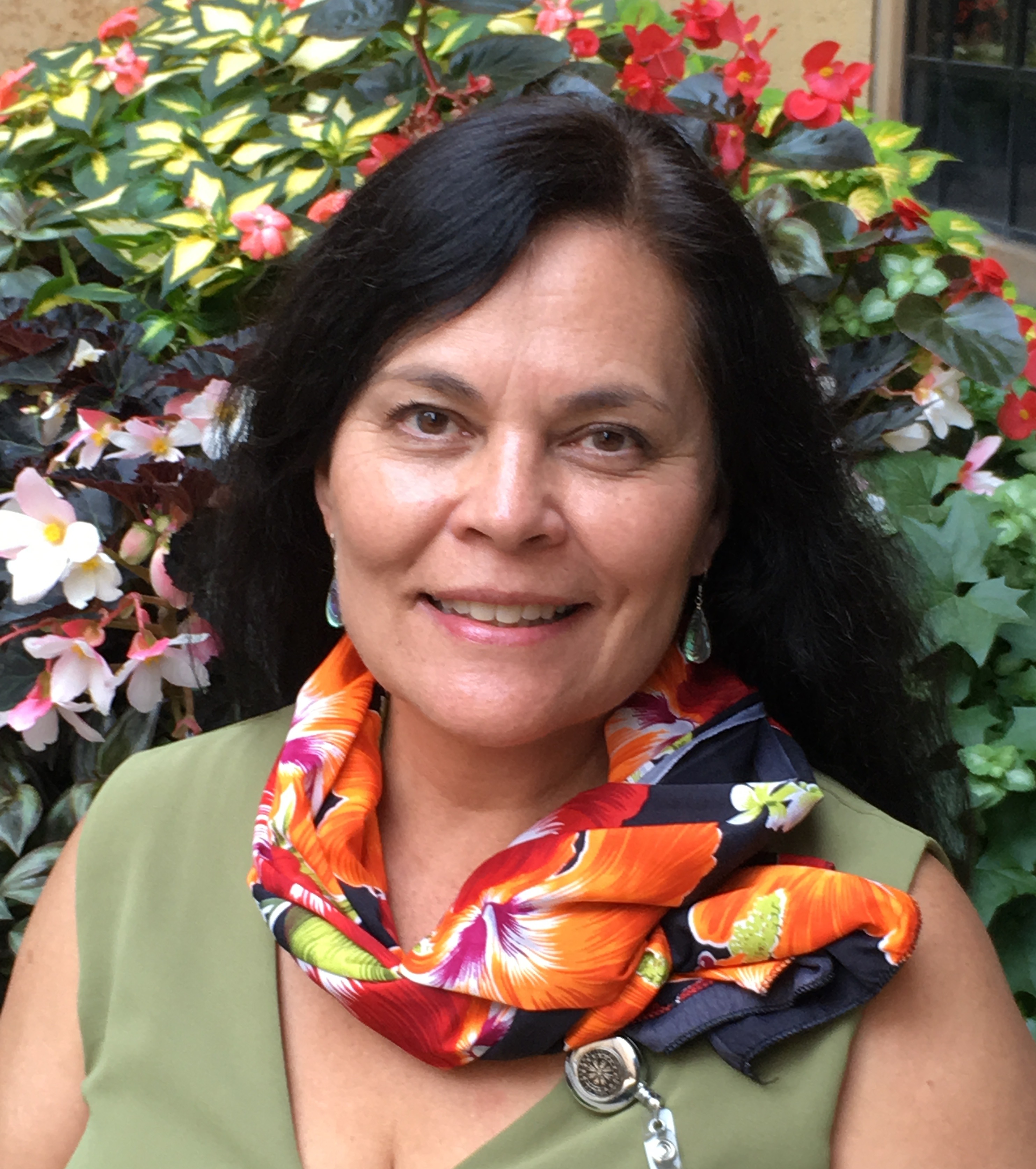
Abbie Willetto
Alaska Native Tribal Health Consortium, USA
Abbie Willetto has worked for the Alaska Native Tribal Health Consortium for over ten years. She has a background in biological sciences, education administration, professional development and qualitative research.
She graduated from Northern Arizona University in Flagstaff, Arizona with her bachelor’s and master’s degree. She attended the University of Colorado-Boulder, for her doctoral coursework. Over the past 12 years,
her work has included an ongoing partnership with the Alaska Area Specimen Bank; including a historical project about the AASB, as well as serving on the AASB committee. She is currently working as a partner member
of the AASB policy revision group. Her early career included teaching science, professional/curriculum development, and educational leadership on the Navajo Nation and in the lower 48. In Alaska, she worked at the
University of Alaska Anchorage as Assistant Professor in the College of Education. Throughout her career, she has worked to improve the opportunities for underrepresented groups to increase access in the areas of
mathematics, science, research and evaluation. While at ANTHC, she has collaborated on multiple heath research projects. Currently she facilitates the research review process at ANTHC through the Abstract, Manuscript
and Proposal Review Committee and the ANTHC Health Research Review Committee, where all health research conducted with ANTHC receives review and approval by tribal leadership. She is also the ANTHC Pathology Specimen
Archive coordinator. Abbie is a member of the Navajo Nation and lives in Anchorage, Alaska.
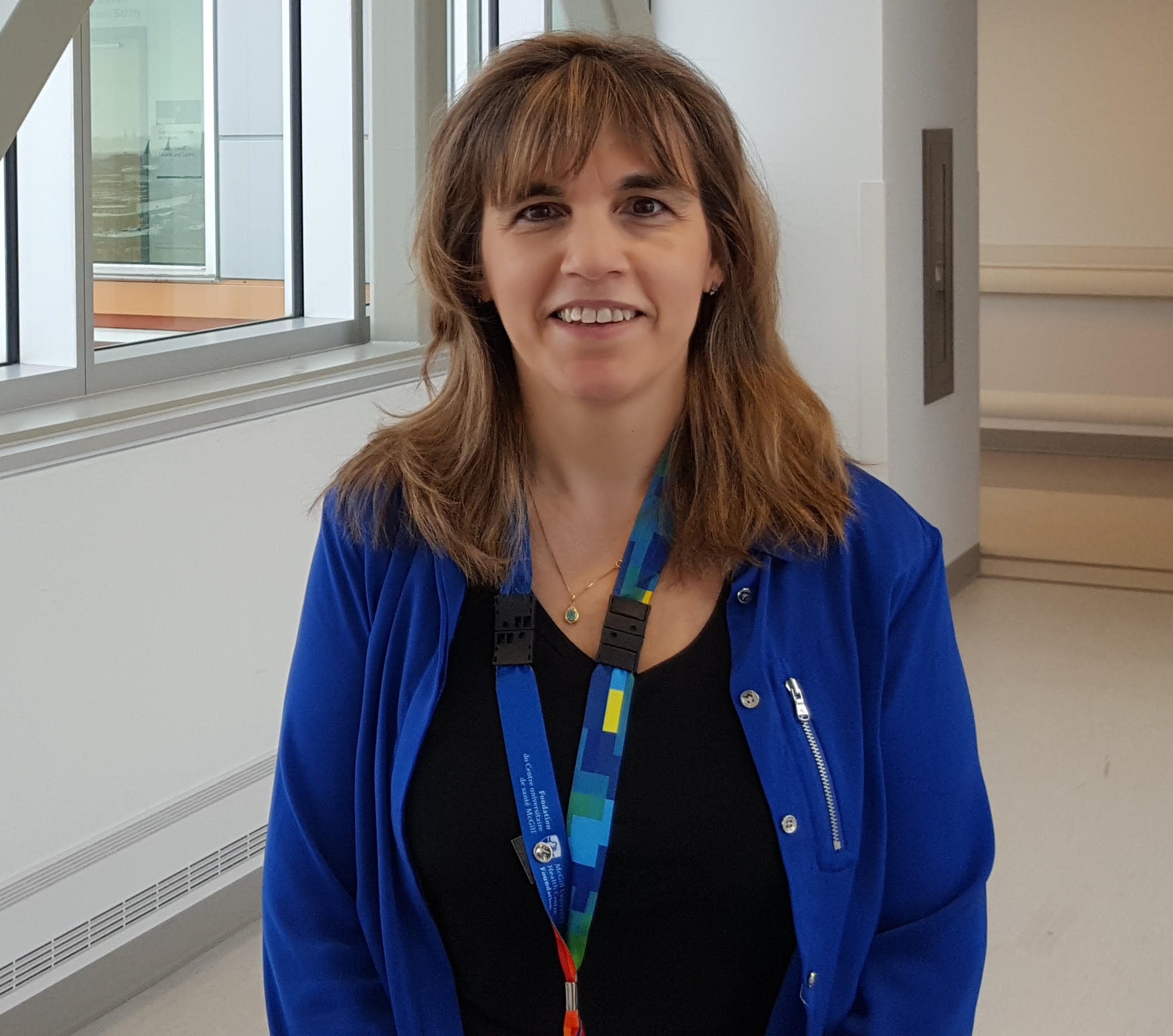
Anthoula Lazaris
The Research Institute of the McGill University Health Centre, Canada
Anthoula Lazaris, PhD, is a scientist at the RI-MUHC, who studies metastatic disease with a focus on translational research. She is also the Scientific Director of the RI-MUHC Liver Disease Biobank. Dr Lazaris has
over 26 years combined experience in academia (McGill University) and biotechnology/industry, in management and senior level positions. During her PhD and under the direction of Dr Sonenberg, she made the discovery
of eIF-4E as a proto-oncogene, which lead to a new line of cancer research. Her current research focuses on Metastatic disease and Translational research with an emphasis on precision therapy Together with her collegues
their research on predictors of therapeutic responses to antiangiogenic agents in the context of disseminated colon cancer has led to a ground-breaking study demonstrating that different histological types of metastasis
have distinct patterns of vascularization and are dependent on either angiogenesis or vascular co-option. They reported that patients with predominant angiogenic lesions receiving Bev plus chemotherapy have a more
than double 5-year overall survival compared to patients with non-angiogenic lesions. Therefore, the non-angiogenic lesions do not respond to angiogenic inhibitors. She was also instrumental in the establishment
of the RI-MUHC Liver Disease Biobank and is focused on ensuring the Biobank maintains a “living state” such that it can adjust to new technologies and research avenues.
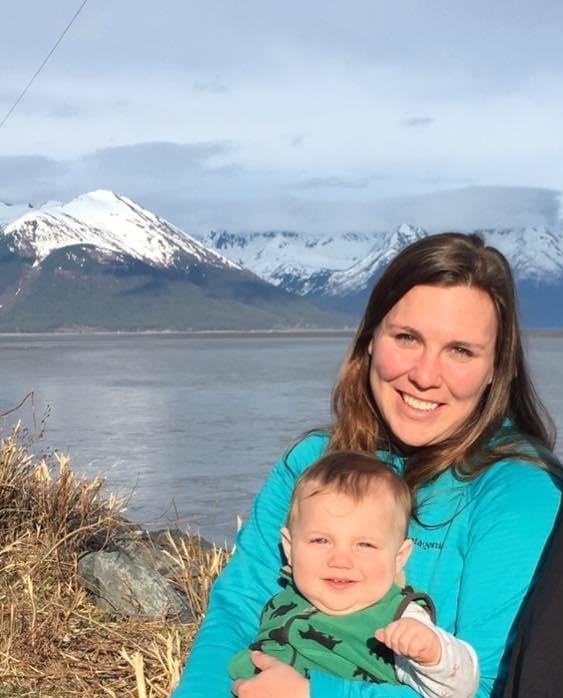
Brenna Simons-Petrusa
CDC Arctic Investigations Program in Anchorage, USA
Dr. Simons-Petrusa is the laboratory director at the CDC Arctic Investigations Program in Anchorage, Alaska. She is also the Director of the Alaska Area Specimen Bank, serving as a federal co-manager with Alaska
tribal partners. Dr. Simons-Petrusa completed her doctorate at Vanderbilt University in 2009 and was then hired at the Alaska Native Tribal Health Consortium to work with historic Alaska Native and American Indian
clinical research cohorts and specimen collections. Her research focuses on infectious disease and vaccine efficacy, and health disparities amongst Alaska Native and American Indian populations. She now has 10 years
of experience in tribal health, Arctic research, and biobanking policy experience. Recently, Dr. Simons-Petrusa led a team project that evaluated historic biospecimens for analytic quality, this work was presented
at ISBER 2019 in Shanghai and now, she is leading a modernization and inventory effort within the Alaska Area Specimen Bank, helping to preserve this unique and valuable resource for many years to come. The Alaska
Area Specimen Bank is undergoing many updates and changes, this also includes updating the policies and procedures by which this repository functions and collaborates with Alaska tribal partners. Dr. Simons-Petrusa
has been the co-lead on these policy efforts, creating multi-partner working groups and a pending policy summit that will include tribal and federal delegation.

Brent Hallahan
Markey Cancer Center, USA
Dr. Hallahan is
a staff scientist with the Biospecimen Procurement and Translational Pathology (BPTP) Shared Resource Facility in the Markey Cancer Center at the University of Kentucky. He received his Ph.D. in Neural Sciences
with an emphasis in molecular and cellular biology in 2006 from Indiana University in Bloomington. After working as a postdoctoral scholar, he was Center Manager for the NCI Cancer Nanotechnology Platform Partnership
Program in the Department of Pharmaceutical Sciences at the University of Kentucky. He began working with the BPTP core lab in 2013. He specializes in the acquisition, processing and storage of patient derived biospecimens
for many projects across the cancer research spectrum from basic and preclinical investigations to translational and clinical trials.
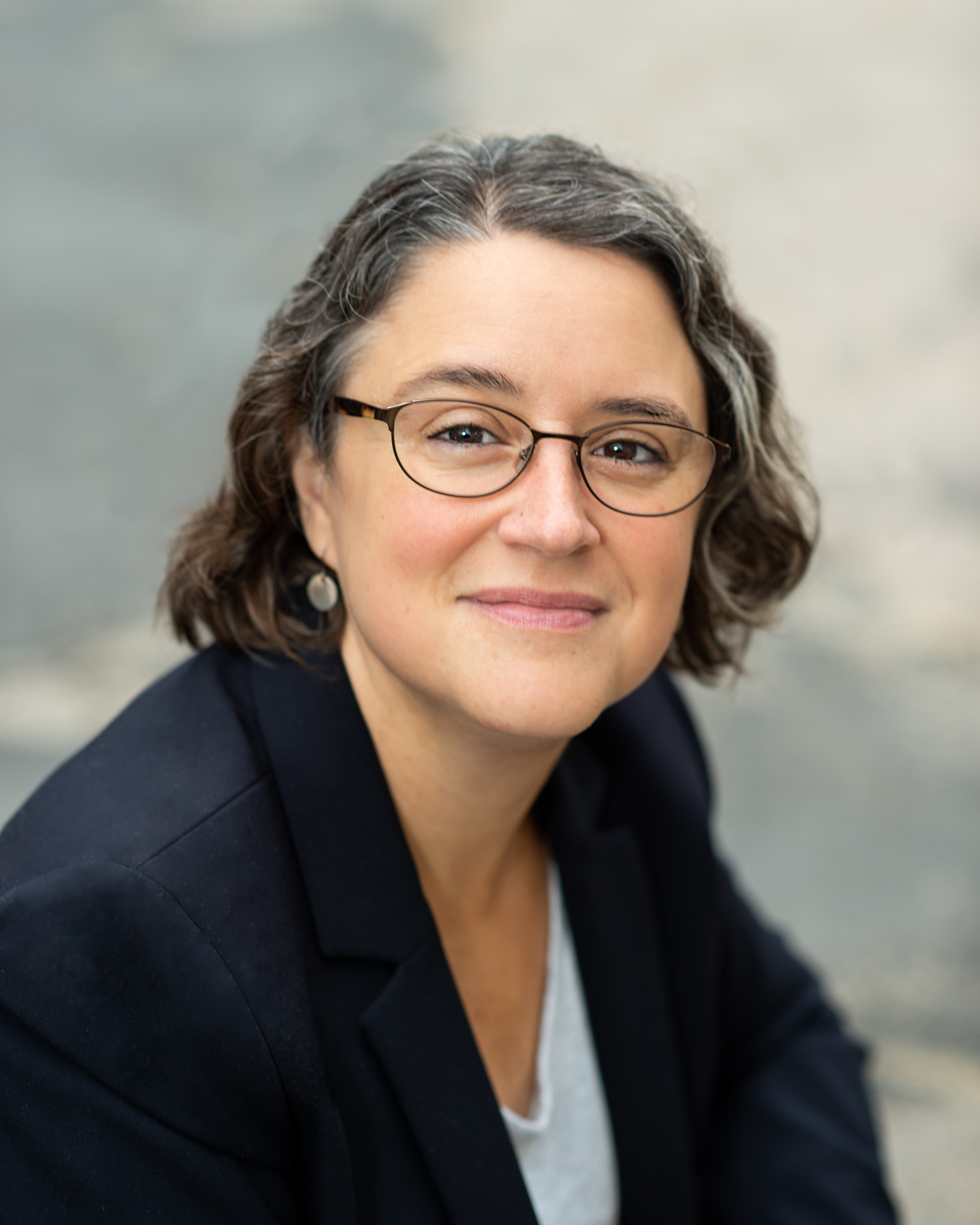
Christine Connolly
Merck Group, Germany
Christine is an Associate Director in Global Clinical Data Sciences at Merck KGaA, Darmstadt specializing in the application of data standards within studies with the aim of supporting the interconnectivity between
datasets and operational activities. She has worked with clinical study data in both the pharmaceutical industry and academic settings for over 20 years with emphasis on data standards for the past 10. Her focus
is primarily on Study Data Tabulation Model (SDTM) standards managed by the industry standards organization Clinical Data Interchange Standards Consortium (CDISC). She leads and participates in the development of
CDISC standards for publication and use across industries. Currently Christine co-leads the CDISC Submission Data Standards (SDS) team responsible for implementation of SDTM standards for human clinical trials and
the Genomic and Biospecimen Subteams responsible for standards for genomic/genetic and biospecimen data respectively.
Sunil Kurian
Transplant Genomics, USA
Dr. Kurian is an accomplished scientist with more than 65 published research and review papers. He is trained in biomarker discovery and genomics of varied disciplines and in the critical assessment and bioinformatics
approaches needed to prioritize and validate biomarkers. His research on biomarkers for Acute and Chronic Kidney Rejection was the foundation work for NIH funded studies. He has also been actively involved in discovery
of biomarkers for bipolar disease and schizophrenia in collaboration with the University of Indiana, liver regeneration biomarkers with the University of Pennsylvania and biomarkers of islet quality with the City
of Hope. Dr. Kurian has been an active member of the American Society of Transplantation since 2005 and has given many talks at various AST and TTS conferences. His expertise in the biomarker and diagnostics field
has also helped him secure funding from the NIH for a blood-based biomarker discovery project for fibromyalgia in collaboration with researchers at Oregon Health and Sciences University. He is part of the Scripps
Clinic biorepository and bioinformatics core and plays an active role in the optimization of protocols in the downstream processing of biospecimens. Dr. Kurian serves as a scientific advisor for Transplant Genomics
a company specializing in post-transplant care and for also for MindX Sciences which focuses on biomarkers of mental health.
Oliver Karch
Merck Group, Germany
Dr. Oliver Karch is a Medical Informatician by training. He is heading the Clinical Biomarker Informatics and Biobanking group at Merck, Darmstadt. The group manages globally clinical biomarker data as well as the
samples collected in Merck’s multi-centric clinical studies. He joined Merck in 1998 as Bioinformatician to walk all the way from early drug discovery to clinical biomarker and companion diagnostics development.
Before joining Merck, he pursued his PhD at the German Cancer Research Center, Heidelberg. He was cofounder of a few startup companies in the healthcare sector. He is actively involved in several IMI (Innovative
Medicines Initiative) Projects and ESBB / ISBER / EFPIA interest groups to foster cross-talk and harmonization among academic and pharma Biobanks.
OCTOBER 14, 12:00PM PT/ 3:00PM ET

Christopher Loffredo
Georgetown University Medical Center, USA
Dr.
Loffredo is a molecular epidemiologist specializing in the roles of genetic and environmental risk factors in human cancers and birth defects. He has numerous peer-reviewed spanning studies of environmental and
genetic factors, familial aggregation, geographic information systems, and gene-environment interactions. He has led NIH-funded observational and community intervention studies, with emphasis on hepatitis C infection,
tobacco smoking, environmental exposures, and their biological markers. He is strongly committed to global health and has current grant funding from the Department of Energy that supports development of a Russian
biorepository to support cancer research in a cohort of occupationally exposed plutonium workers.

Anderson Mayfield
NOAA/University of Miami, USA
Mr. Mayfield has been studying coral reef ecosystems for nearly
20 years. After extended stints in Hawaii (graduate school under the supervision of the late, world renowned coral reef researcher Dr. Ruth Gates) and Taiwan (a series of post-doctoral research fellowships), he
has since transitioned to working for NOAA's Atlantic Oceanographic and Meteorological Laboratory (Miami, FL), the United States government research institute that oversees the study and management/protection of
the nation's coral reefs. Anderson is primarily interested in the physiology of reef corals, particularly how they respond at the organismal, cellular, and molecular levels to changes in their environments.

Antonio Hugo Campos
Rede D'Or Network Hospitals, Brazil
Mr. Campos
is a Pathologist at Rede D’Or Network Hospitals, with over 10 years experience in the biobanking field. Served as consultant to the Brazilian Ministry of Health and the Brazilian Research Ethics Commission on regulatory
and ethical issues related to biobanking. Former head of the A C Camargo Biobank. Currently serves as ISBER Regional Ambassador to Latin America.
OCTOBER 19, 11:00AM PT/ 2:00PM ET
Clément Milet
Mr. Milet joined CTIBIOTECH in 2017 to lead the 3D bioprinting programme, advancing the organizations existing capabilities in 3D cell and tissue culture. He has extensive experience in development of technologies allied to cancer research, diagnosis and testing. His previous experience at the Institute for Advanced Biosciences (Grenoble, France) in cell chips for RNA screening, and at the Cancer Research Center of Lyon (CRCL, France) gave him a deep understanding of the need for 3-dimensional models of cancer. At CTIBIOTECH, he applied this experience to primary cancer tissue donated from patients and bioprinted into humanised cancer models. Since 2020, Clément Milet is the Laboratory Director of CTIBiotech in order to direct the various research programmes and to extend production capacities, in particular through 3D printing.
OCTOBER 29, 9:00AM PT/12:00PM ET/6:00PM CET/12:00AM NEXT DAY CST
Bill Mathieson
Integrated BioBank of Luxembourg, Luxembourg
Dr. Mathieson studied Biology at King`s College London, then did an MSc in Medical Parasitology at the London School of Hygiene and Tropical Medicine and finally a PhD in parasite proteomics at the University of York, UK. He became interested in biospecimen quality and therefore Biospecimen Science during a cancer research post-doc with Professor Gerry Thomas at Imperial College London as a consequence of her involvement with the Imperial College Healthcare Tissue Bank, the Chernobyl Tissue Bank and the Wales Cancer Bank. In 2013 he moved to the Integrated Biobank of Luxembourg in order to work solely on Biospecimen Science research with Dr Fay Betsou. He is a member of the ISBER Biospecimen Science Working Group, is European Editor of Biopreservation and Biobanking and serves on the Scientific Review Board for the Wales Cancer Bank.
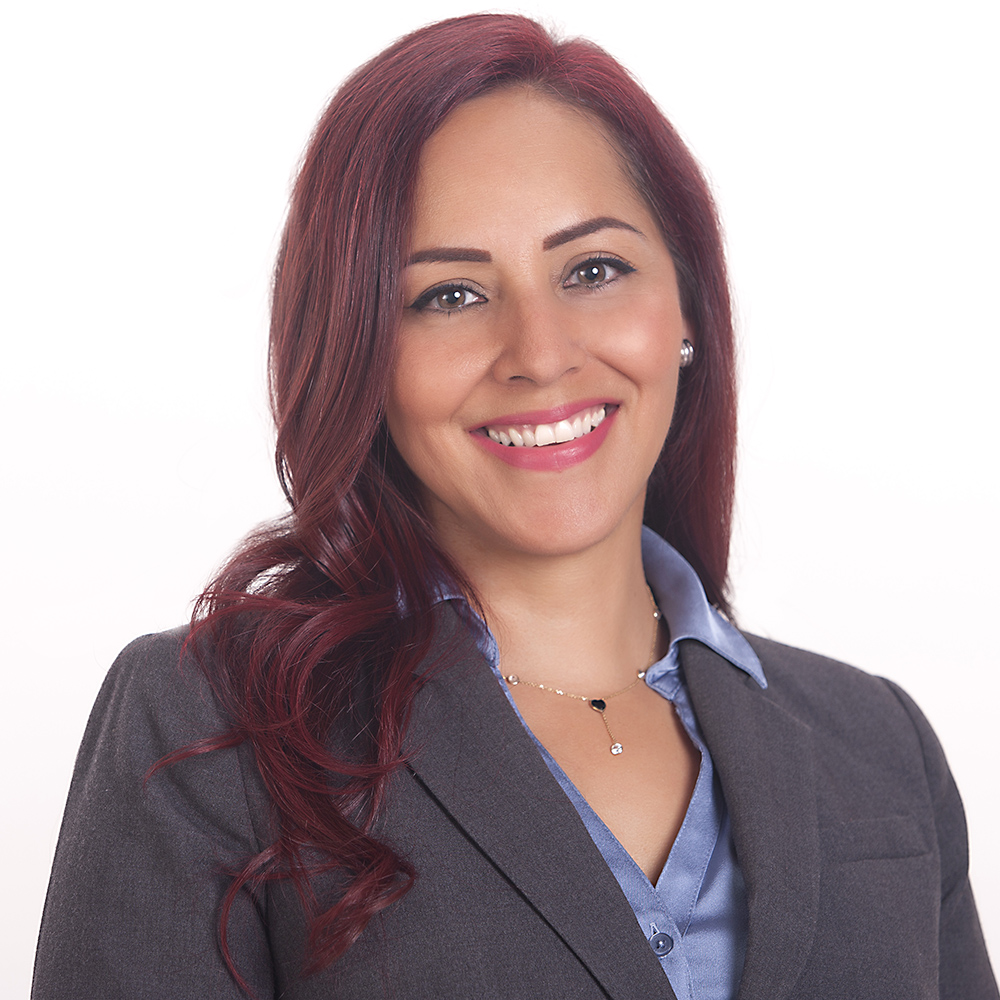
Esmeralda Casas-Silva
National Cancer Institute, USA
Dr. Casas-Silva is a Scientific Program Manager at the National Cancer Institute’s (NCI) Biorepositories and Biospecimen Research Branch where she leads participant and provider engagement strategies for the Cancer
Moonshot Biobank and is involved in the creation of governance and data sharing policies for the Biobank. She led an important NCI Cancer Moonshot workshop, “At the Crossroads of Social Media and Clinical Trials:
A Workshop on the Future of Clinician, Patient and Community Engagement”. As a direct outcome of the workshop, NCI’s National Clinical Trials Network (NCTN) and Canadian Clinical Trials Group (CCTG) created and
implemented a plain language template for clinical trial summaries to improve communications about trials to the general public. She also contributes to BBRB programs including the Biospecimen Evidence-Based Practices
series. She joined the NCI as a Science and Technology Policy Fellow with the American Association for the Advancement of Science. She received her Ph.D. in Biomedical Sciences from the University of California,
San Diego where she studied genetic networks involved in cancer metastasis. She completed her postdoctoral studies at The Scripps Research Institute in La Jolla, California.
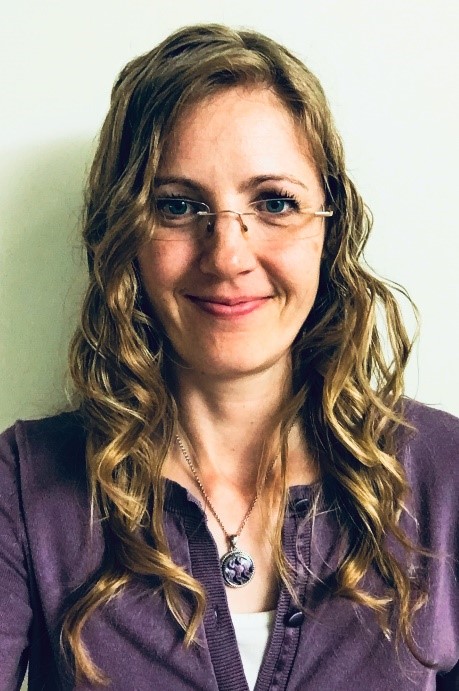
Jennifer Kemp
University of Colorado Denver, USA
Ms. Kemp obtained her bachelor’s degree in Molecular, Cellular and Developmental Biology from the University of Colorado, with a minor in Biochemistry. After helping diagnose inborn errors of metabolism at the University
of Colorado Health Sciences Center for several years, she obtained her master’s degree in Food Science and Nutrition at Colorado State University. While obtaining her master’s degree, she worked with Dr. Michael
Pagliassotti on the effects of plant root exudates on fatty acids in liver cells. She then worked with the translational medicine group at Array BioPharma in Boulder, Colorado, on clinical trials evaluating potential
cancer treatments. She learned skills integral to biobank and clinical trial management, along with how to measure various types of biomarkers. For the last nine years she has worked in the Pediatric Nutrition laboratory
at the University of Colorado Denver with Dr. Nancy Krebs. Dr. Krebs oversees clinical trials examining zinc deficiency and its relationship to stunting. In addition to doing laboratory analyses for the zinc studies,
Jennifer has overseen the biobank operations for a multisite international clinical trial, the Women First Preconception Nutrition Trial. In addition, she has performed biomarker measurements and data analyses for
the study.
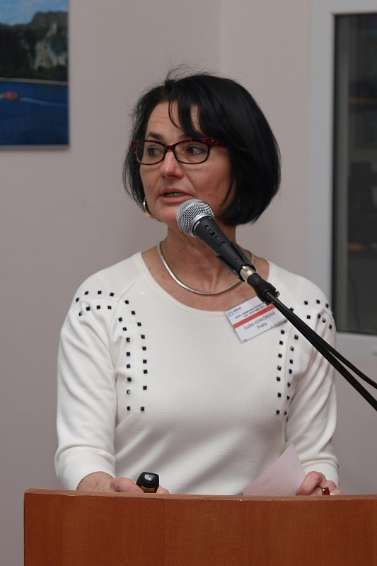
Judita Kinkorová
University Hospital in Pilsen and Charles University, Czech Republic
Ms. Kinkorová is an associate professor and the manager of international research cooperation and affairs at University Hospital in Pilsen and Charles University, Faculty of Medicine in Pilsen, Czech Republic. She
is involved in main biobank activities at the hospital integrated biobank in Pilsen, like ethical, legal, and social issues, informed consent for biobank, etc. Her main areas of interest are personalized medicine,
biobanking, biomarkers and international collaboration. She is a member of editorial board EMPA Journal (European Association for Preventive, Predictive and Personalized Medicine) for biobanks and repositories.
She is involved in biobanking activities in the frame of Czech national node of BBMRI-ERIC. She is an ISBER Regional Ambassador for Europe since 2019 and an ISBER Relation committee member.

Suzanne Vercauteren
BC Children’s Hospital, Canada
Dr.
Vercauteren is a hematopathologist and associate head of the department of pathology and laboratory medicine at BC Children’s Hospital. She obtained her MD and PhD at the University of Utrecht, The Netherlands and
did her residency in hematological pathology at the University of British Columbia. Since 2013 Suzanne is the director of the BC Children’s Hospital BioBank, the first institutional pediatric biobank in Canada to
allow for a standardized approach of patients and sample collections and ensuring high quality samples and data and reduce consent burden for patients. Her research includes ethical issues as well as public engagement
and education in biobanking. Dr. Vercauteren has received several grants to solicit public opinions and study public perception on (pediatric) biobanking and recently received a grant to develop an electronic consenting
platform for biobanking. She has published several papers regarding pediatric biobanking and consenting and is the chair of the Pediatric Special Interest Committee of ISBER.
|
